The Used EV Market's Tipping Point: Affordable Lease Returns Drive Mass Adoption
The electric vehicle revolution, long heralded as the future, has often stumbled over a significant hurdle: accessibility. For many, the upfront cost ...
Editorial Team
World Of EV
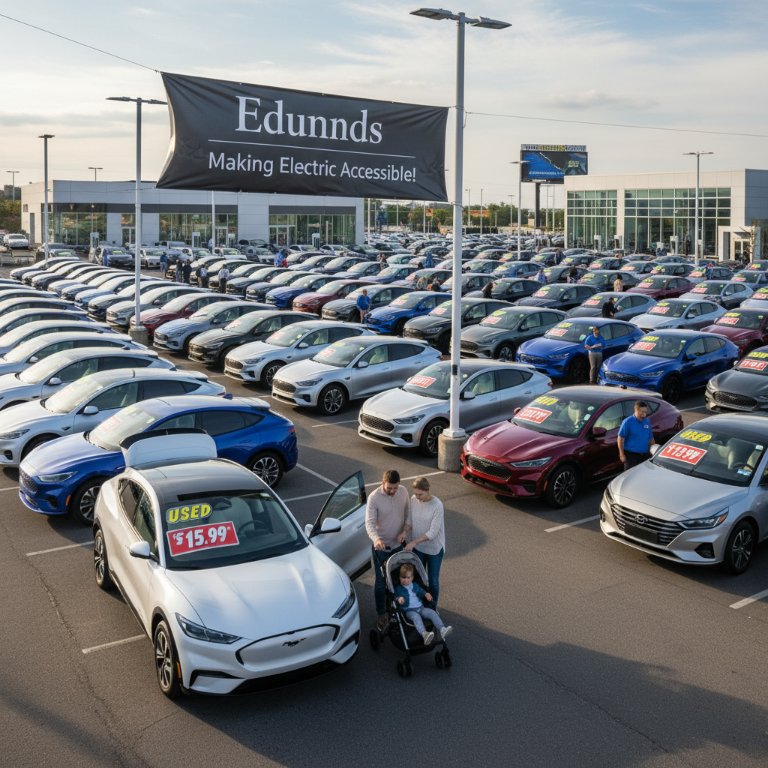
The electric vehicle revolution, long heralded as the future, has often stumbled over a significant hurdle: accessibility. For many, the upfront cost of a new EV remained a formidable barrier. However, a seismic shift is underway in the used EV market, fundamentally altering the ownership landscape. Edmunds' recent analysis reveals a dramatic convergence in pricing between used electric vehicles and their gasoline counterparts, largely fueled by an unprecedented wave of lease returns. This development signals a crucial inflection point, making EV ownership more attainable than ever before.
The Lease Return Deluge: A Market Reset
The core of this market transformation lies in the accelerating volume of electric vehicle lease returns. Over the past few years, as EV adoption gained momentum, a significant number of early adopters opted for 36-month leases. Now, these vehicles are cascading back into the market, creating a robust supply of nearly-new, well-maintained electric vehicles. The share of EVs among lease returns is projected to jump to 8% in 2026 from just 2% in 2025. Cox Automotive data underscores the longevity of this trend, projecting a continued increase in EV lease returns through 2028. This sustained influx promises to keep used EV prices competitive for years to come, effectively de-risking the second-hand market.
Erasing the Price Premium: EVs for Everyone
This surge in supply has had a direct and profound impact on pricing. The once-significant price gap separating used EVs from traditional internal combustion engine (ICE) vehicles has sharply narrowed over the past year. Used EVs are now selling for an average of $34,653, just $1,102 above the $33,641 average for a used gasoline car, according to CNBC. A year earlier, that premium was $3,923, meaning the gap has shrunk by nearly three-quarters in twelve months. This isn't merely a statistical anomaly; it represents a tangible shift towards affordability. Ford CEO Jim Farley keenly observed, "Used EVs are super popular right now. So the market has changed." This newfound affordability is particularly salient given the impending expiration of federal tax credits for new EVs in late 2025. As those incentives sunset, the value proposition of a pre-owned electric vehicle, offering a lower entry point without the immediate depreciation hit of a new car, becomes even more compelling.
Why This Matters:
Consumers Win Big: Prospective EV buyers, previously deterred by high prices, now have a rich selection of affordable, modern electric vehicles. This makes EV ownership, with its lower running costs and environmental benefits, a realistic option for a much broader demographic.
Market Maturation and Mainstream Adoption: This trend is a clear indicator that the EV market is moving beyond early adopters. Accessible used EVs are crucial for achieving mainstream adoption, fundamentally altering the transportation landscape and accelerating the transition away from fossil fuels.
Challenges for New EV Sales: While great for consumers, a robust and affordable used EV market could create headwinds for new EV sales, particularly for models whose new prices don't offer a significant value proposition over their slightly-used counterparts. Manufacturers will need to adjust pricing strategies and potentially offer more compelling features or incentives for new vehicles.
Infrastructure Imperative: Increased used EV adoption will place greater demand on charging infrastructure. This underscores the urgent need for continued expansion and reliability of public and home charging solutions to support the growing fleet.
A New Lease on Life for Automakers: For automakers, understanding and managing residual values of their leased EVs will become paramount. A healthy used market can protect residual values, making new leases more attractive, but a glut of returns could also depress them if not managed effectively. This isn't a "do-or-die" moment, but it is a critical proving ground for the long-term sustainability of EV business models.
The era of the prohibitively expensive electric vehicle is drawing to a close. The confluence of maturing lease cycles and sustained market demand has engineered a monumental shift, ushering in an age of accessible, affordable used EVs. This dynamic is poised to democratize EV ownership, propelling the industry towards true mass adoption and cementing the electric vehicle's place as a mainstream transportation staple for the foreseeable future.