Toyota's 2026 bZ Rebirth: A Pragmatic Pivot Towards Unbreakable EV Ownership
For years, Toyota's entry into the pure electric vehicle market felt hesitant, perhaps even reluctant. The initial rollout of the bZ4X was met with lu...
Editorial Team
World Of EV
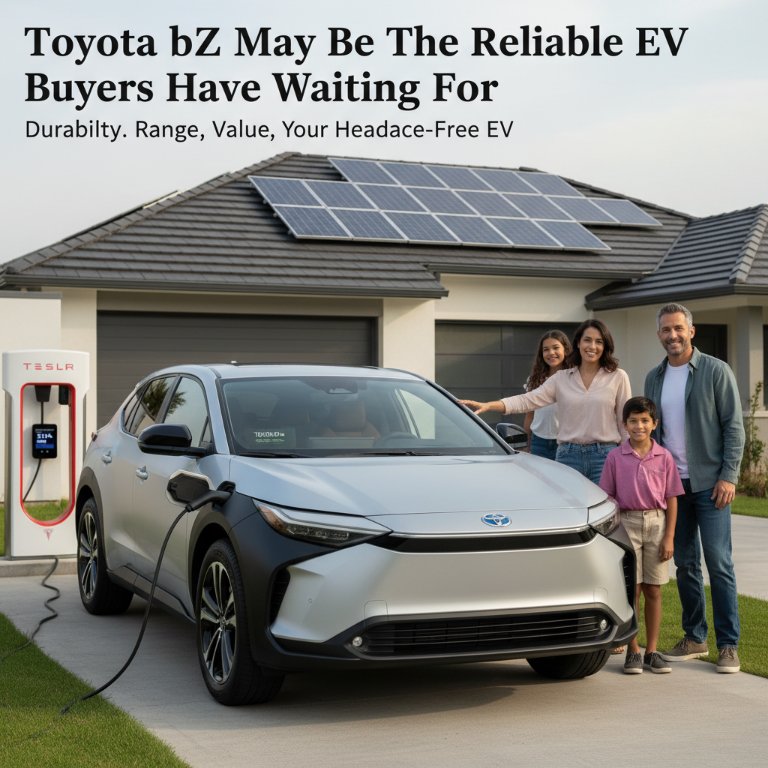
For years, Toyota's entry into the pure electric vehicle market felt hesitant, perhaps even reluctant. The initial rollout of the bZ4X was met with lukewarm reception, plagued by an infamous wheel hub recall that halted sales and subsequent concerns over charging speeds and real-world range performance, particularly in colder climates. However, the automaker renowned for its bulletproof reliability in the ICE world is finally shedding its cautious skin with the significantly re-engineered 2026 Toyota bZ, signaling a profound strategic shift. This isn't just an update; it's a recalibration, prioritizing predictable ownership and genuine durability over headline-grabbing, but often unproven, bleeding-edge tech.
This deliberate re-engineering marks Toyota's clear intent to deliver an electric vehicle that lives up to its legendary reputation for longevity. The 2026 bZ, a simplified name replacing the bZ4X, aims to offer a headache-free transition to electric propulsion, directly challenging the nascent myth of limited EV shelf-life with robust materials and advanced thermal management systems designed to extend the vehicle's lifespan. At a starting price of $34,900 and boasting up to 314 miles of EPA range, this new bZ is poised to be a compelling option for a vast swathe of consumers seeking dependable, low-maintenance EVs.
Built for the Long Haul, Not Just the Launch Day
The most striking aspect of the 2026 bZ is its foundational focus on durability and reliability. Toyota has consciously moved away from emphasizing flashy, unproven features, instead investing in the core engineering thatজাতিअंडरpins vehicle longevity. This includes:
- Robust Materials: Enhanced construction designed to withstand the rigors of daily use and extend the vehicle's structural integrity over many years.
- Advanced Thermal Management: A sophisticated system to optimally manage battery temperature, crucial for preserving battery health, maximizing range consistency, and ensuring charging efficiency in various climates. This directly addresses past criticisms of the bZ4X's cold-weather performance.
These improvements aren't just technical jargon; they translate directly into tangible benefits for the consumer: reduced maintenance worries, consistent performance, and a vehicle that holds its value longer, much like its gasoline-powered Toyota brethren.
Strategic Pricing, Enhanced Range, and Seamless Charging
Beyond durability, the 2026 bZ also addresses key consumer pain points regarding range anxiety and charging accessibility. The starting price of $34,900 positions it aggressively in a competitive market, making EV ownership more attainable. Its improved EPA-estimated range of up to 314 miles (for the front-wheel-drive XLE Plus trim) significantly enhances its appeal for daily commuting and longer journeys alike, a substantial improvement over its predecessor.
Perhaps most critically, the inclusion of a native North American Charging Standard (NACS) port for Tesla Supercharger access is a game-changer. This eliminates the need for adapters and provides immediate access to North America's most extensive and reliable fast-charging network, significantly boosting convenience and peace of mind for prospective buyers. Additionally, faster 11 kW AC charging and improved DC fast charging with battery preconditioning further streamline the charging experience.
Why This Matters:
This strategic pivot for the 2026 Toyota bZ is more than just a product launch; it's a powerful signal to the entire automotive industry and, crucially, to the EV-curious consumer. For too long, the narrative around EVs has been dominated by extreme performance metrics or complex, sometimes unreliable, software. Toyota is stepping in to champion a different message: electric vehicles can and should be as dependable, long-lasting, and easy to own as their internal combustion counterparts.
Who wins? Savvy EV enthusiasts and prospective buyers who value long-term ownership predictability and a hassle-free transition to electric power are the clear winners. Toyota wins by leveraging its strongest asset – reliability – to carve out a distinct and appealing niche in the increasingly crowded EV landscape. This could be the model that truly establishes Toyota's credibility in the EV space after a bumpy start. The broader EV market also benefits as more mainstream, reliable options help dispel myths and encourage wider adoption.
Who loses? Competitors who have focused solely on raw power or futuristic, yet often buggy, infotainment systems without prioritizing fundamental vehicle durability may find themselves at a disadvantage. If Toyota successfully markets the bZ's longevity, it will force others to reconsider their own engineering priorities.
This is a critical moment for Toyota's EV strategy. Having navigated the initial stumbles of the bZ4X, the 2026 bZ represents a 'do-or-die' moment for the brand's electric reputation. By leaning into its core strengths, Toyota is not just introducing a new EV; it's attempting to redefine what mainstream electric vehicle ownership means, setting a new benchmark for reliability and practical usability.
The 2026 Toyota bZ signals a maturity in Toyota's EV approach, moving past initial experimental phases to deliver a vehicle aligned with consumer expectations for a Toyota product. It’s a grounded, pragmatic answer to the call for reliable electric transportation, promising to make the electric transition not just exciting, but fundamentally dependable for years to come.