Toyota's 2026 bZ Woodland: A Bold Step Off-Road, But the Journey Continues for the EV Giant
For years, Toyota, the undisputed king of hybrids, has approached the all-electric vehicle market with a measured, some might say hesitant, stride. It...
Editorial Team
World Of EV
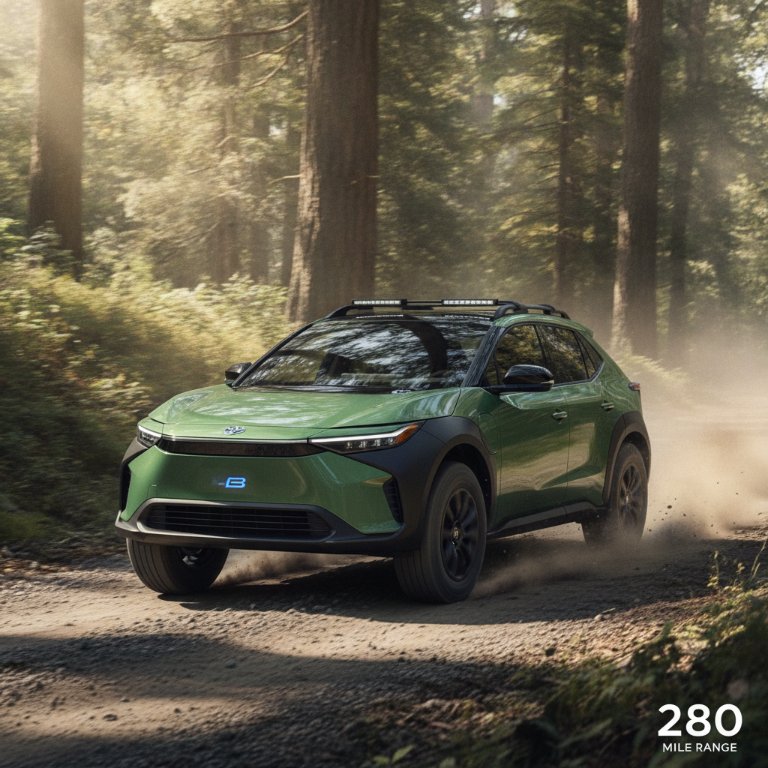
For years, Toyota, the undisputed king of hybrids, has approached the all-electric vehicle market with a measured, some might say hesitant, stride. Its initial dedicated EV, the bZ4X, faced a challenging reception marked by limited range, sluggish charging, and even recalls that dampened consumer confidence. Now, with the introduction of the 2026 Toyota bZ Woodland, the Japanese automotive titan appears to be taking a more adventurous route, signaling a deeper commitment to the diverse and demanding EV landscape.
The bZ Woodland emerges as an intriguing proposition: an electric vehicle designed with off-road excursions in mind, aiming to capture a segment hungry for rugged, sustainable transport. However, as "World Of EV" readers know, it's not enough for an EV to simply exist; it must excel, especially when carrying a brand as historically significant as Toyota.
Electrifying Performance Meets Off-Road Ambition
The 2026 bZ Woodland isn't just a rebadged family hauler; it's a statement. Forbes' review highlights its "neck-snapping acceleration," a descriptor rarely associated with Toyota's past EV efforts. This newfound zest comes from a potent dual-motor, all-wheel-drive powertrain delivering a combined 375 horsepower, a significant upgrade from its bZ siblings. This power translates into genuinely swift performance, capable of hitting 60 mph in a mere 3.9 seconds.
Key specifications and features underpinning its adventurous spirit include:
- Powertrain: Dual electric motors, all-wheel drive, 375 horsepower.
- 0-60 mph: A brisk 3.9 seconds.
- Estimated Range: 280 miles, providing a competitive, though not class-leading, real-world buffer.
- Battery Capacity: 74.7-kWh lithium-ion pack.
- Ground Clearance: 8.4 inches, augmented by an X-mode traction control system for improved low-speed grip on challenging surfaces.
- Cargo Capacity: A generous 33.8 cubic feet behind the second row, expanding to 74 cubic feet with rear seats folded, thanks to a longer, wagon-like roofline.
Practicality and Intelligent Design, With Caveats
Beyond raw performance, the bZ Woodland prioritizes passenger comfort and utility. Its interior is notably spacious, offering ample room for occupants and a substantial increase in cargo volume over the standard bZ model. This design choice positions it as a practical option for families or adventurers needing to haul gear. The cabin is also well-appointed, featuring standard amenities like heated front and outboard rear seats, a heated steering wheel, dual wireless charging pads, and an improved dashboard layout centered around a 14-inch touchscreen.
However, the review also points to areas for refinement. The Lane Tracing Assist feature, while proving beneficial in dense traffic, was occasionally erratic. This highlights a critical need for seamless, reliable driver-assist technologies in modern EVs, particularly as competitors like Tesla and Hyundai push the boundaries of autonomous driving features. Furthermore, some reviewers have noted a high floor due to the under-seat battery pack and an unconventional steering wheel/dashboard placement that may not suit all drivers.
Why This Matters:
The 2026 Toyota bZ Woodland is more than just another electric vehicle; it represents a crucial strategic pivot for Toyota. After the bZ4X's underwhelming performance and market struggles, which saw sales plummet by over 95% in 2025, the bZ Woodland signals a much-needed injection of excitement and purpose into Toyota's EV lineup. This isn't merely a compliance car; it's an effort to craft a lifestyle EV that appeals to a specific, growing demographic.
Who Wins:
- Toyota: By offering a more compelling and segment-focused EV, Toyota stands to regain some lost ground in the EV narrative, demonstrating an evolving understanding of consumer desires beyond pure efficiency. This could improve the brand's perception among EV enthusiasts who previously dismissed their efforts as too conservative.
- Adventure-Seeking EV Buyers: Consumers looking for an electric vehicle capable of light off-road adventures, without necessarily needing the extreme capabilities (or price tag) of a Rivian, gain a solid new option. Its combination of power, space, and rugged aesthetics hits a sweet spot.
Who Loses:
- Direct Competitors in the Mid-Size Electric SUV Segment: While the bZ Woodland isn't a direct Rivian competitor, it will certainly challenge other two-row mid-size electric SUVs like the Chevrolet Blazer EV and Honda Prologue, especially with its off-road leanings and competitive pricing (starting around $46,750).
What This Signals to the Market:
This launch signifies Toyota's recognition that the EV market is segmenting rapidly, and generic offerings are no longer sufficient. It indicates a move towards more specialized, emotion-driven EVs. However, the 280-mile range, while respectable, isn't groundbreaking, especially when off-road tires can further reduce it. The occasional erratic behavior of the Lane Tracing Assist also reminds us that Toyota's advanced driver-assistance systems still require refinement to match industry leaders. It’s a clear step forward, but one that still suggests a cautious, iterative approach to a full EV revolution, rather than a bold, all-in leap.
In conclusion, the 2026 Toyota bZ Woodland marks a significant, positive shift in Toyota's electric vehicle strategy. Its engaging performance, practical design, and off-road aspirations demonstrate a brand learning from its initial missteps and adapting to market demands. While challenges remain in perfecting its driver-assist technologies and pushing range boundaries, the bZ Woodland is a vital, compelling step on Toyota's long and winding road toward EV leadership.