Toyota's 2026 Prius Plug-In Hybrid: A Range Champion with a Charging Achilles' Heel
Toyota's 2026 Prius Plug-In Hybrid (PHEV) emerges as a compelling contender for the eco-conscious daily driver, showcasing impressive efficiency and a...
Editorial Team
World Of EV
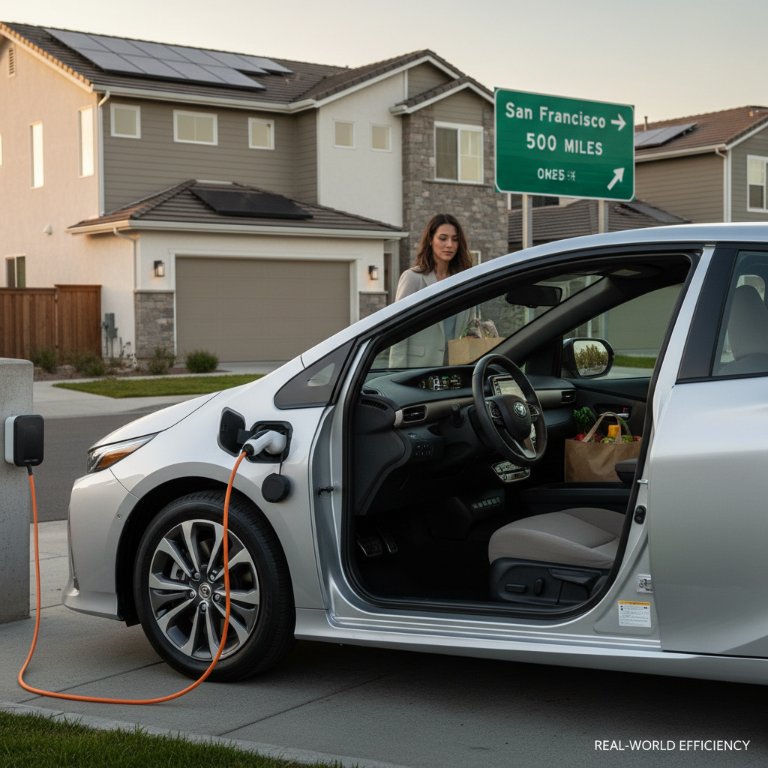
Toyota's 2026 Prius Plug-In Hybrid (PHEV) emerges as a compelling contender for the eco-conscious daily driver, showcasing impressive efficiency and a practical design. While the automotive giant continues its strategic push with a diversified powertrain portfolio, the latest Prius PHEV iteration reinforces Toyota's commitment to bridging the gap between traditional combustion and full electrification. This model arrives at a pivotal moment, as consumers increasingly seek sustainable transportation without sacrificing range or convenience, a space where PHEVs are carving out a significant niche.
Unpacking the Practicality: Range and Comfort Reign Supreme
The 2026 Prius Plug-In Hybrid, often known as the Prius Prime in various markets, delivers precisely what many drivers demand: exceptional range and a comfortable, no-frills cabin. Our expert review highlighted its prowess as a practical daily driver, validating its ergonomic, if not opulent, interior with adequate cushioning for extended journeys. This focus on utility over lavishness aligns perfectly with the Prius lineage, ensuring accessibility for a broad audience.
Key takeaways from its real-world performance include:
- Exceptional Combined Range: A test drive in the demanding Bay Area landscape yielded over 500 miles on a single tank. This figure is not just impressive; it's a game-changer for drivers concerned about range anxiety, positioning the Prius PHEV as a true long-distance capable vehicle without constant refueling stops.
- Optimized Fuel Efficiency: The ability to achieve such a range underscores the vehicle's excellent underlying fuel efficiency, a hallmark of Toyota's hybrid synergy drive system, which seamlessly blends electric and gasoline power.
- Comfort-First Cabin: While not vying for luxury segment supremacy, the cabin prioritizes occupant comfort, making it a viable option for daily commutes and longer road trips alike.
The Charging Conundrum: A Significant Bottleneck
Despite its stellar range and practical appeal, the 2026 Prius Plug-In Hybrid faces a notable hurdle that prospective owners must consider: its Level 1 charging speed. The review pinpointed a significant drawback, noting that fully recharging the vehicle's battery from a standard 120-volt household outlet takes over five hours. This extended charging time presents a challenge for users who rely solely on Level 1 charging overnight or during work hours.
For context, many modern EVs and even other PHEVs offer faster Level 2 charging capabilities as standard or readily available, which can fully replenish a battery in a fraction of the time. Toyota, historically cautious with rapid electrification, appears to have prioritized on-road efficiency and battery longevity over high-speed charging in this iteration, potentially relying on the robust hybrid system to alleviate charge anxiety.
Why This Matters:
The 2026 Toyota Prius Plug-In Hybrid's performance is a double-edged sword, signaling both success and missed opportunities for the brand. The over 500-mile range on a single tank is a monumental win for Toyota, effectively squashing range anxiety and appealing directly to a vast segment of the market hesitant about full EVs. This positions the Prius PHEV as a formidable alternative to both traditional gasoline vehicles and pure electric cars, offering the best of both worlds for many drivers. It solidifies Toyota's strategy of offering diverse powertrain options, demonstrating that PHEVs are far from irrelevant in the evolving automotive landscape. For the average consumer, this translates to fewer stops at the pump and the flexibility of electric-only driving for shorter trips.
However, the slow Level 1 charging rate could be a significant deterrent for a segment of the plug-in market. In an era where even entry-level EVs are pushing faster charging, over five hours for a full charge at home without dedicated Level 2 infrastructure feels antiquated. This could lead to a less-than-optimal plug-in experience, pushing some potential buyers towards competitors offering quicker home charging solutions or even towards full EVs that benefit from public fast-charging networks. While Toyota wins on overall range and efficiency, it risks losing the crucial 'plug-in' convenience factor that defines the PHEV category for many tech-savvy buyers.
Ultimately, the 2026 Prius Plug-In Hybrid reinforces Toyota's strength in hybrid technology and its commitment to practical, long-range mobility. While its charging infrastructure needs further refinement to truly compete in the rapidly accelerating plug-in segment, its impressive efficiency and comfortable ride make it a compelling choice for the discerning daily driver looking to minimize their carbon footprint without compromising on flexibility.