Toyota's BZ Line Roars Back: Practicality and Price Drive Massive Q1 EV Sales Surge
Toyota, a name long synonymous with hybrid dominance but a relative latecomer to the dedicated battery-electric vehicle (BEV) arena, is finally making...
Editorial Team
World Of EV
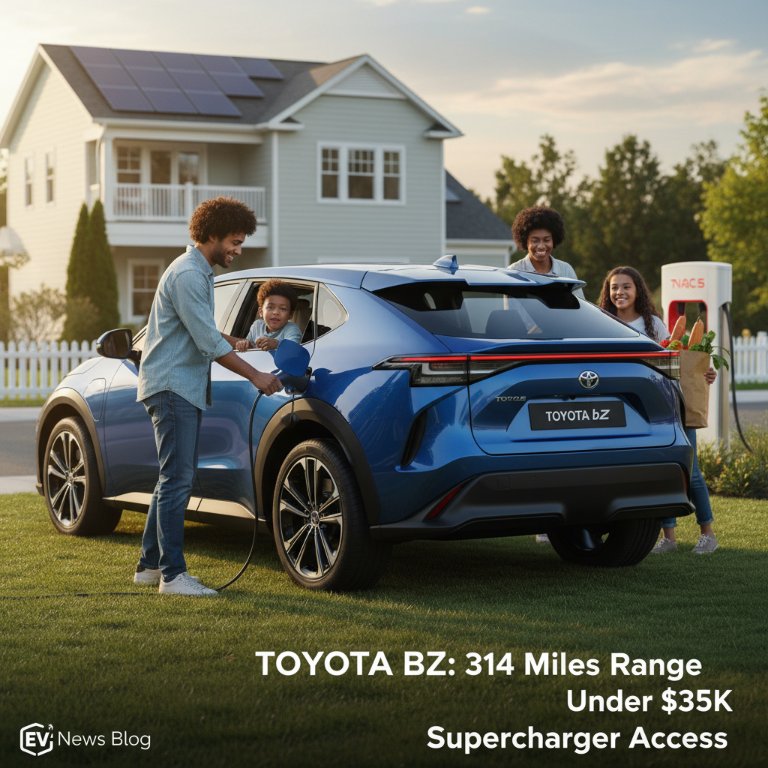
Toyota, a name long synonymous with hybrid dominance but a relative latecomer to the dedicated battery-electric vehicle (BEV) arena, is finally making its mark. After facing a lukewarm reception with its initial bZ4X offering, the automotive giant has seemingly cracked the code for the American market. The newly enhanced 2026 Toyota bZ compact to mid-size electric SUV has not just arrived; it has surged, claiming a top-three spot in U.S. EV sales for Q1 2026, signaling a pivotal shift in the brand's electric strategy and the broader EV landscape.
The 2026 bZ: A Practical Powerhouse
Toyota's impressive Q1 2026 performance, with over 10,000 units of the 2026 Toyota bZ sold, isn't accidental. It's the direct result of a meticulous focus on the core attributes that genuinely matter to everyday drivers. This isn't just a refresh; it's a re-evaluation of what a mainstream EV needs to be.
- Extended Range: The new bZ boasts a critical upgrade to its range, now offering up to 314 miles on a single charge. This represents a substantial 25% increase over its predecessor, the bZ4X, directly addressing one of the primary anxieties for potential EV buyers.
- Seamless Charging: In a move that significantly enhances user convenience and signals clear industry alignment, the 2026 bZ now includes a native North American Charging Standard (NACS) port. This integration grants owners direct, unhindered access to Tesla's industry-leading Supercharger network, a game-changer for long-distance travel and daily charging reliability.
- Aggressive Pricing: Perhaps one of the most impactful changes, the 2026 bZ enters the market starting below $35,000. This aggressive pricing positions it as a highly budget-friendly option, making EV ownership accessible to a much broader segment of the population.
Addressing Past Missteps: Learning from the bZ4X
The initial launch of the bZ4X was met with a degree of skepticism, particularly regarding its range in varying conditions and charging speeds. Toyota's swift response with the 2026 bZ demonstrates a valuable lesson learned. By prioritizing greater range, universal charging access, and an appealing price point, Toyota directly tackles the previous model's shortcomings and the general pain points of early EV adoption. This strategic pivot highlights a matured understanding of the EV market and consumer expectations.
Why This Matters:
- Winners:
- Toyota: Clearly, Toyota is a major winner here. This surge validates their renewed commitment to BEVs and proves their ability to adapt and deliver a compelling electric product. It silences critics who questioned their slow pace and positions them as a serious contender, not just a hybrid leader.
- Mainstream Consumers: Everyday drivers stand to benefit immensely. The sub-$35,000 price point, combined with over 300 miles of range and Supercharger access, makes EV ownership a practical, financially viable reality for many more households. This directly translates to significant savings through reduced fuel and maintenance costs.
- NACS Adoption: The inclusion of a native NACS port by a major player like Toyota further solidifies the standard, accelerating the industry's move towards a more unified and reliable charging infrastructure. This is a win for the entire EV ecosystem.
- Losers:
- 'Legacy' Budget EVs: Other manufacturers struggling to deliver compelling, affordable EVs with decent range and charging solutions will feel the pressure. Toyota has raised the bar significantly in the budget-friendly EV segment.
- Charging Networks (non-NACS): While not direct 'losers,' this move further emphasizes the dwindling relevance of networks that haven't embraced NACS, forcing them to accelerate their transition or risk becoming obsolete for a significant portion of the future EV market.
- Market Signals: This sales surge signals a critical maturity in the EV market. Consumers are no longer solely driven by cutting-edge tech or brand loyalty in the EV space; practicality, affordability, and convenience are now paramount. Toyota's success underscores that the pathway to mass EV adoption runs directly through addressing these fundamental concerns. It also highlights that established automakers can, when they commit, bring their manufacturing prowess and market scale to bear effectively in the EV race. This is not a 'do-or-die' moment for Toyota in general, but it certainly signals a 'course corrected and thriving' moment for their EV strategy.
The 2026 Toyota bZ's Q1 triumph marks a significant turning point, not just for Toyota but for the broader electric vehicle market. By zeroing in on range, charging convenience, and affordability, Toyota has demonstrably proven that practical enhancements are the true accelerators of EV adoption. This isn't just a new model; it's a blueprint for mainstream EV success, promising a future where electric driving is not only desirable but genuinely accessible to all.