UK EV Adoption Accelerates: Alphabet Study Reveals Over 50% Motorists Eyeing Electric Shift
A groundbreaking new study by Alphabet, conducted as part of a pivotal government-backed EV awareness campaign, delivers a compelling message: the Uni...
Editorial Team
World Of EV
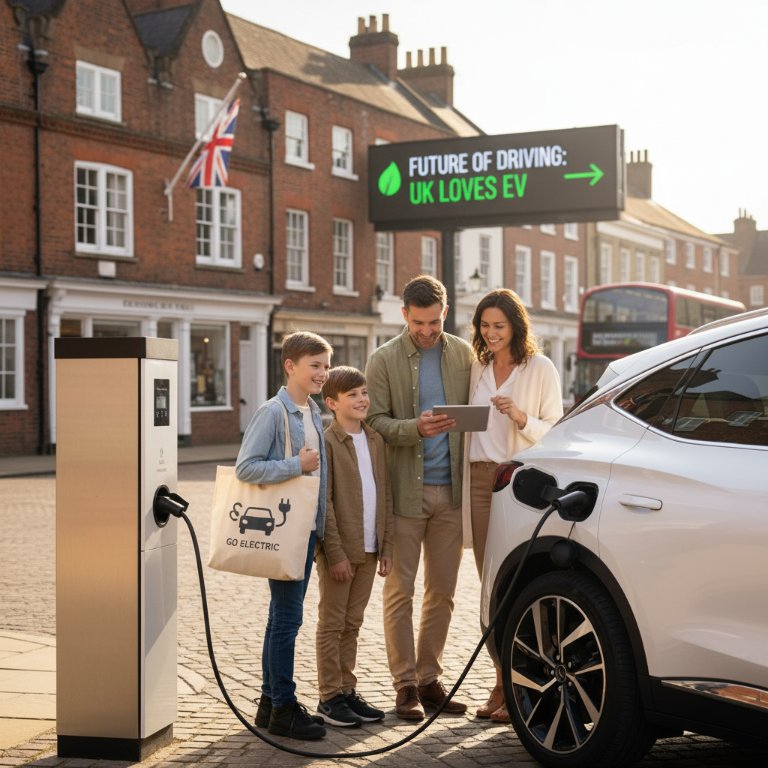
A groundbreaking new study by Alphabet, conducted as part of a pivotal government-backed EV awareness campaign, delivers a compelling message: the United Kingdom is on the precipice of an electric vehicle revolution. The research reveals that a staggering over 50% of UK motorists are now actively considering switching to an electric vehicle within the next 12 months. This isn't merely a statistical blip; it represents a profound psychological and practical shift in the automotive landscape, signaling that years of industry effort and infrastructure development are finally resonating with mainstream consumers.
For years, EV adoption in the UK, while steadily growing, faced significant headwinds from range anxiety, nascent charging infrastructure, and the higher upfront cost of electric models. While government incentives and manufacturer commitments have chipped away at these barriers, Alphabet's data, drawn from a campaign aimed at demystifying EV ownership, indicates a powerful new level of consumer readiness. This unprecedented level of interest suggests that the UK market is moving beyond early adopters and into a phase of widespread consideration.
The Driving Forces Behind the Surge
- Economics Lead the Charge: A commanding 30% of respondents cited lower running costs as their foremost motivator. This reflects a growing understanding among consumers that despite a higher initial purchase price, EVs offer substantial long-term savings through cheaper 'fuel' (electricity compared to volatile petrol/diesel prices) and reduced maintenance due to fewer moving parts. This economic incentive has become particularly potent in the face of ongoing cost-of-living pressures.
- Infrastructure's Growing Confidence: Crucially, 26% of motorists pointed to improved charging infrastructure as a key factor. This indicates that significant investments in public and private charging networks across the UK are finally bearing fruit, directly alleviating the long-standing 'range anxiety' that previously plagued potential EV buyers. The visibility and perceived reliability of charging options are clearly boosting consumer confidence.
- The Green Imperative: Sustainability remains a significant, though perhaps less tangible, driver. As environmental awareness continues to grow, more drivers are actively seeking ways to reduce their carbon footprint, and the perceived ecological benefits of zero-emission driving are increasingly influential in purchase decisions.
Why This Matters:
This Alphabet research is far more than just data; it's a strategic roadmap for the entire automotive ecosystem and a clarion call for accelerated action. This 50%+ figure signals nothing less than a mass-market tipping point for EVs in the UK.
- Who Wins? EV manufacturers with robust product pipelines and competitive pricing stand to gain immensely. Companies like Tesla, BYD, and established OEMs with strong, diverse EV portfolios (e.g., Hyundai-Kia, Volkswagen Group) will see surging demand. Charging network providers, energy companies, and smart home charging solution developers are also positioned for significant growth. The UK government, in turn, will find its ambitious climate targets more achievable with this groundswell of public support.
- Who Loses? Traditional automotive brands that have been slow to pivot towards electrification, or those relying heavily on internal combustion engine (ICE) sales, face an existential threat. The declining demand for ICE vehicles will accelerate, placing immense pressure on their business models and necessitating rapid, costly transformations. Fuel retailers and traditional mechanics unprepared for EV servicing will also need to adapt or risk obsolescence.
- Market Signal: This data validates massive past investments in EV technology and infrastructure, signaling to investors and policymakers that the transition is irreversible and accelerating. It will likely spur further investment, innovation, and potentially stricter policy decisions to support the transition, such as expediting ICE sales bans or enhancing charging mandates. For automotive journalists and analysts, it confirms that the 'future' of motoring is now firmly in the present.
The findings from Alphabet's research paint an undeniable picture: the UK is not just dabbling in electric vehicles anymore; it is embracing them with conviction. As the economic and environmental benefits become clearer, and charging infrastructure continues to mature, we can expect this momentum to build, fundamentally reshaping the automotive landscape in the coming years and cementing the EV's role as the dominant mode of transport.