Ultium Cells' Ohio Plant Signals Cautious Restart: A Barometer for Shifting EV Demand
Lordstown, Ohio – In a move keenly watched by the entire electric vehicle (EV) industry, Ultium Cells, the critical joint venture between automotive t...
Editorial Team
World Of EV
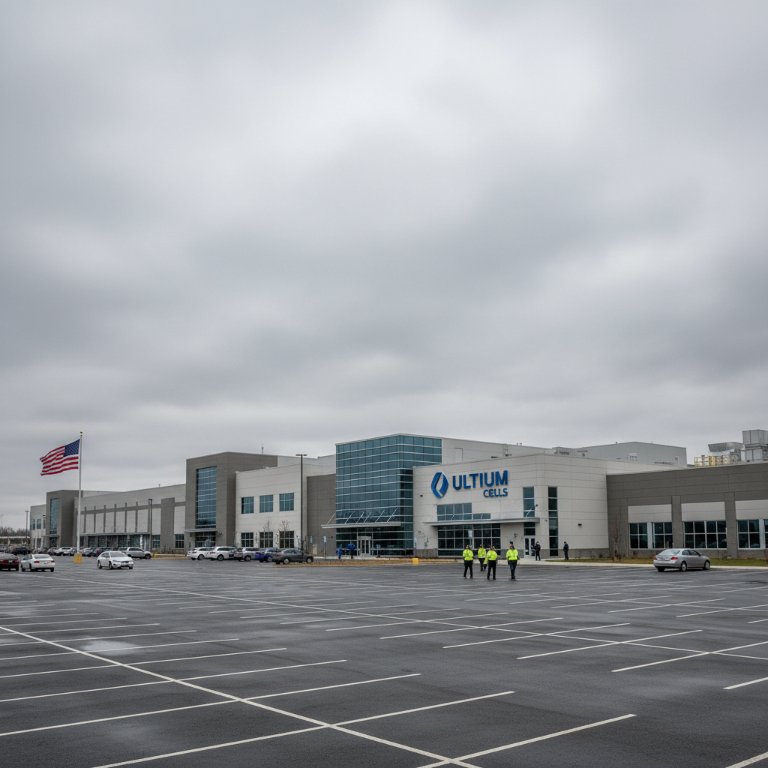
Lordstown, Ohio – In a move keenly watched by the entire electric vehicle (EV) industry, Ultium Cells, the critical joint venture between automotive titan General Motors (GM) and battery powerhouse LG Energy Solution, has initiated a partial recall of workers to its idled battery manufacturing facility in Ohio. This initial, cautious restart comes after a six-month shutdown that began in January, impacting approximately 1,330 employees and casting a shadow over the pace of EV adoption. While a small contingent returns to prepare for future operations, the broader production timeline remains conspicuously uncertain, directly tied to the ebb and flow of market demand for electric vehicles.
The Ohio Plant's Pivotal Role and Recent Idling
The Ohio plant, a cornerstone of GM's ambitious Ultium EV platform strategy, represents a significant investment in securing a domestic battery supply chain. The Ultium platform is fundamental to a new generation of GM EVs, including the Cadillac Lyriq, GMC Hummer EV, and upcoming Chevrolet Silverado EV, promising flexibility, scale, and performance. Its unexpected shutdown in January was a stark indicator of the industry-wide slowdown in EV sales growth, challenging previously aggressive forecasts. The decision to idle operations reflected a necessary adjustment to a market that proved more volatile than initially projected, highlighting the complexities manufacturers face in scaling up EV production amid fluctuating consumer interest.
Navigating the Nuances of EV Demand
The current partial recall serves as a preparatory step, equipping the facility for a potential ramp-up when market conditions improve. However, the explicit caveat that "broader production depend[s] on market demand for EVs" underscores the prevalent caution gripping the sector. This isn't merely an Ultium Cells issue; it mirrors a broader industry recalibration as manufacturers grapple with inventory levels and a consumer base that, while increasingly open to EVs, is also sensitive to price, charging infrastructure availability, and evolving incentives. The return of a "small number of workers" suggests a strategic readiness rather than an immediate surge in output, signaling that GM and LGES are poised but not yet fully committed to a large-scale return to production until clearer demand signals emerge.
Why This Matters:
- A Bellwether for Broader EV Pace: The cautious restart signals that the EV transition, while inevitable, is likely to be a choppier, more elongated process than initial hype suggested. Ultium Cells’ operational status will be a key indicator of genuine market readiness.
- Impact on GM's EV Ambitions: Delays or conservative scaling at the Ohio plant directly affect GM’s ability to meet its aggressive EV production targets and secure its competitive position against rivals like Tesla and Ford. A sustained slowdown could push back crucial product launches or increase costs.
- The 'Goldilocks' Challenge: This situation highlights the immense challenge manufacturers face in finding the 'just right' balance between massive capital investments in EV production and the real-world pace of consumer adoption. Over-extension can lead to idled plants and financial strain, while under-preparation risks losing market share.
- Worker and Regional Economic Implications: For the community of Lordstown, Ohio, and the returning workers, this partial recall offers a glimmer of hope but also sustained uncertainty. The full restoration of jobs and economic activity hinges on a robust and consistent rebound in EV demand.
- Strategic Hedging by Key Players: The joint venture’s measured approach demonstrates a strategic hedging against market volatility. While committed to the EV future, both GM and LG Energy Solution are prioritizing financial prudence and aligning production with actual demand rather than speculative projections.
Looking Ahead: A Measured Path to Electrification
The partial restart at the Ultium Cells Ohio plant encapsulates the current reality of the EV market: undeniable long-term potential, yet immediate-term uncertainties. This measured approach by GM and LG Energy Solution reflects a necessary adaptation to a maturing, albeit still evolving, landscape. The full operational capacity of this facility will not only be crucial for GM’s electrification strategy but will also serve as a vital indicator of when the broader EV market truly hits its stride, moving past initial enthusiasm towards sustained, mass-market adoption.