Volkswagen ID.4 Plagued by Class Action Lawsuit Over Alleged Battery Fire Risk: A Crisis of Trust for VW's EV Ambitions
Volkswagen, a brand that staked its future on a robust electric vehicle transition with its ID.series, now faces a significant challenge. A new class ...
Editorial Team
World Of EV
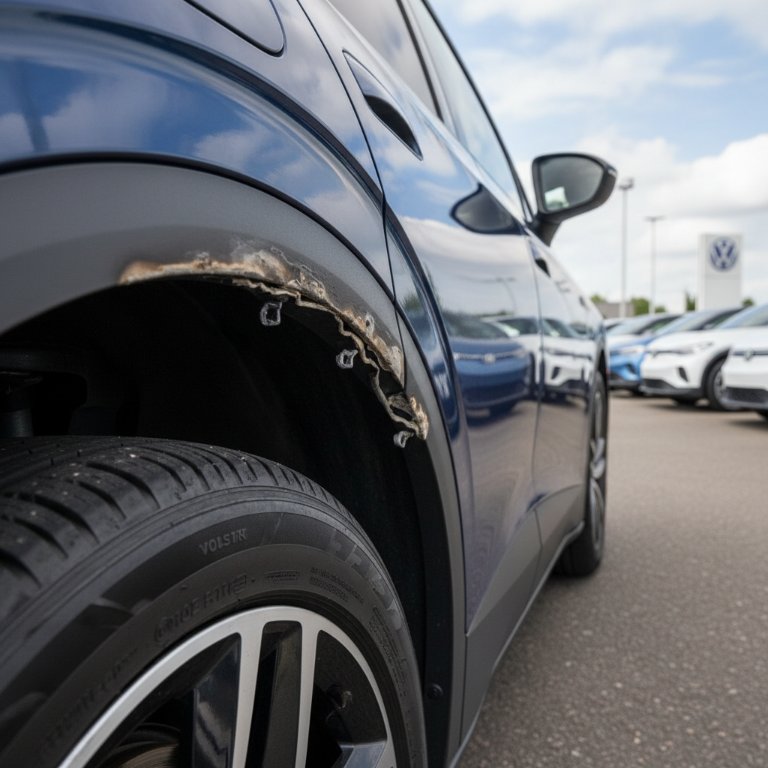
Volkswagen, a brand that staked its future on a robust electric vehicle transition with its ID.series, now faces a significant challenge. A new class action lawsuit alleges that certain ID.4 electric vehicles contain a defective high-voltage battery posing a serious fire risk. This legal action not only questions the safety of a flagship EV but also puts Volkswagen's commitment to customer transparency and rapid response under intense scrutiny, particularly given claims of delayed recalls and awareness of multiple incidents. For savvy EV enthusiasts, prospective buyers, and industry professionals, this development strikes at the heart of EV reliability and manufacturer accountability.
The Allegations: Defective Batteries and Delayed Recalls
The core of the lawsuit centers on the claim that a specific batch of high-voltage batteries within the ID.4 is inherently flawed, presenting a tangible risk of fire. Plaintiffs assert that Volkswagen was not only aware of at least six separate fire incidents linked to this battery defect but also demonstrated a concerning delay in addressing the issue. Crucially, the lawsuit highlights that while Volkswagen reportedly learned of a battery fire two years prior, the first recall wasn't issued until December 2025. This alleged timeline raises serious questions about the manufacturer's internal safety protocols and the speed of its response when potential dangers to consumers are identified.
Undermining the EV Promise: Charging Restrictions
Beyond the direct safety concerns, the lawsuit also takes aim at Volkswagen's prescribed mitigation strategies. The company's recommendation to ID.4 owners to restrict charging to 80% and to avoid overnight charging is presented by the plaintiffs as a fundamental undermining of the electric vehicle's value proposition. For many EV owners, the ability to fully charge overnight at home is a cornerstone of convenience and range anxiety mitigation. Limiting charging capacity and restricting charging habits effectively diminishes the practical utility of the vehicle, challenging the very reason many consumers opt for an EV over an internal combustion engine vehicle. This directly impacts the core purpose of an EV, which promises hassle-free, convenient charging.
Why This Matters:
This class action lawsuit represents a critical juncture for Volkswagen's burgeoning EV strategy, particularly for its mass-market ID.4.
Who Loses? Primarily, Volkswagen stands to lose significant market trust and face substantial financial penalties from potential settlements and ongoing recall costs. The brand's carefully cultivated image as a leader in the electric transition could be severely tarnished. Current ID.4 owners are also significant losers, potentially grappling with diminished vehicle utility, resale value concerns, and lingering safety anxieties. This situation echoes past battery-related recalls, such as the Chevrolet Bolt EV or Hyundai Kona EV, which saw prolonged parking and charging restrictions severely impact owner experience and brand perception.
What Does This Signal to the Market? This incident underscores the paramount importance of robust battery safety protocols and transparent, swift action from automakers. As the EV market matures and competition intensifies, any perceived compromise on safety or reliability can have cascading effects. It signals to both consumers and regulators that battery integrity is non-negotiable and that manufacturers must prioritize safety over production timelines or cost savings. This could lead to increased scrutiny from regulatory bodies and even more stringent testing requirements for new EV models across the industry.
Is This a "Do-or-Die" Moment? While not an existential threat to the entire Volkswagen Group, this is undoubtedly a critical test for the ID.4 and the broader ID.series. The ID.4 is a volume seller, crucial for VW's EV market share and brand image. The manner in which Volkswagen addresses these allegations, communicates with its customers, and implements long-term solutions will dictate whether this becomes a temporary setback or a prolonged crisis that hinders its aggressive EV targets. A failure to manage this situation effectively could cede valuable ground to competitors like Tesla, Hyundai, and BYD, who are constantly innovating in battery technology and safety.
The class action lawsuit against Volkswagen for alleged ID.4 battery defects and fire risks casts a long shadow over one of the brand's most important electric vehicles. As the legal proceedings unfold, the focus will remain on Volkswagen's accountability, its commitment to rectifying the issue, and its ability to rebuild trust with its customer base. For the wider EV industry, this serves as a potent reminder that rapid innovation must always be tempered with uncompromising safety standards and transparent communication.