Volvo's EX30 Electrified Ambitions Hit by Fire Crisis, Sales Halt in Thailand
Volvo, a brand synonymous with safety, faces a significant credibility challenge as it halts sales of its much-anticipated EX30 electric vehicle in Th...
Editorial Team
World Of EV
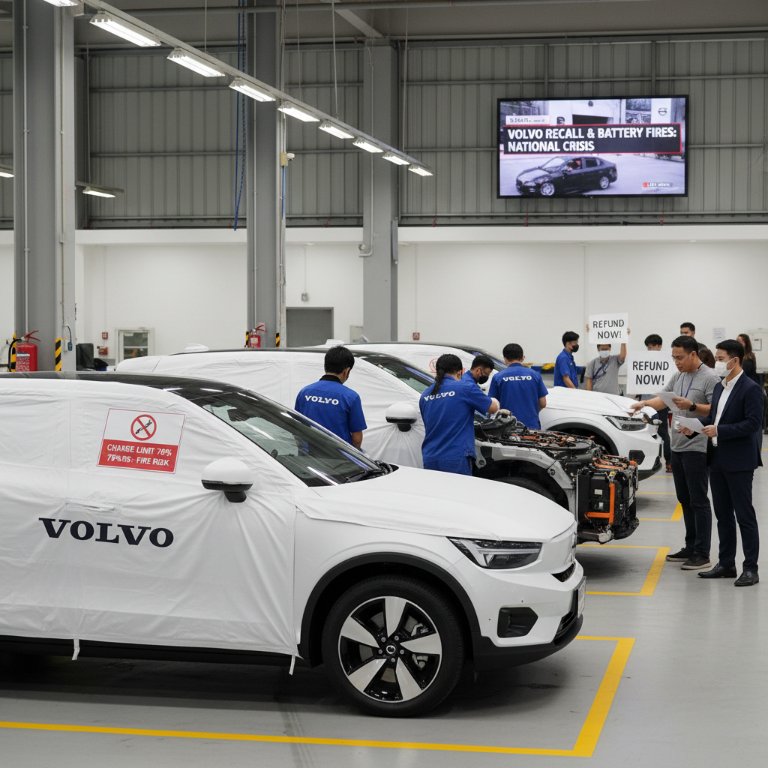
Volvo, a brand synonymous with safety, faces a significant credibility challenge as it halts sales of its much-anticipated EX30 electric vehicle in Thailand and initiates a comprehensive battery replacement program. This drastic action follows a severe safety and regulatory crisis, including repeated fire incidents, a damning national television exposé, and a surge of consumer complaints. The immediate consequence for existing EX30 owners is a restrictive 70% charging limit, enforced to mitigate reported fire risks linked to overcharging.
The Crisis Unfolds: A Blow to Volvo's EV Strategy
For 1,668 affected Volvo EX30 owners in Thailand, the dream of silent, electric motoring has turned into a nightmare of uncertainty and inconvenience. The phased battery replacement program is a direct response to a cascade of safety concerns that have plagued the compact EV. This sudden halt in sales and the sweeping recall stand as a stark reminder that even established automotive giants can falter when venturing into the complex realm of high-voltage battery technology. Volvo's aggressive pivot towards an all-electric future, with the EX30 positioned as a cornerstone of its global EV expansion, now faces a critical roadblock in a key growth market.
The situation for Volvo is further complicated by a separate, alarming incident: an XC60 plug-in hybrid model catching fire on a motorway. This event broadens the scrutiny beyond pure EVs to encompass Volvo's hybrid offerings, intensifying public and regulatory pressure. The collective incidents have fueled escalating demands from consumers for vehicle buybacks and compensation, signaling a profound erosion of trust in Volvo's electrified portfolio.
Why This Matters:
This crisis is far more than a localized recall; it's a pivotal moment for Volvo and carries significant implications for the broader electric vehicle industry.
For Volvo's Brand Integrity: Volvo has meticulously built its brand around an unimpeachable reputation for safety. These battery-related fire incidents fundamentally challenge that core identity, risking severe damage to consumer confidence globally. The EX30, a critical model in Volvo's aggressive electrification strategy, was poised to introduce a new generation of buyers to the brand. This setback could significantly hamper its global launch trajectory and sales targets, potentially forcing a re-evaluation of its manufacturing or battery sourcing partners.
For EV Consumer Confidence: The recurring headlines about EV battery fires, whether from Volvo or other manufacturers who have faced similar issues (such as past recalls by GM and Hyundai for battery defects in their respective EV models), feed into a persistent narrative of skepticism regarding electric vehicle safety. This incident, publicized through a national TV exposé, will undoubtedly resonate with prospective EV buyers worldwide, potentially slowing down adoption rates in nascent markets and reinforcing anxieties about the nascent technology's reliability and safety standards.
For Industry Standards and Regulation: This event will likely intensify scrutiny from regulatory bodies across the globe, pushing for even more stringent battery safety protocols, thermal management systems, and comprehensive testing regimes. It underscores the critical importance of robust quality control and rapid, transparent responses to safety concerns to maintain public trust in the transition to electric mobility. Manufacturers and battery suppliers will face renewed pressure to innovate and guarantee the utmost safety from cell to pack.
The immediate financial implications for Volvo, including recall costs, potential buybacks, and lost sales, will be substantial. However, the long-term impact on its brand reputation and the perception of its electrification strategy could prove even more damaging.
Moving Forward: A Test of Transparency and Resolve
Volvo now faces a crucial test of its crisis management capabilities. Restoring consumer confidence will demand absolute transparency, decisive action, and a demonstrable commitment to resolving the underlying issues, extending beyond mere battery replacements. The eyes of the global automotive industry, and especially the discerning EV enthusiast, will be fixed on how Volvo navigates this turbulent period. Its response will not only shape the future of the EX30 but also significantly influence its standing as a leader in the rapidly evolving electric vehicle landscape.